Q3 2026 NAIOP Policy Brief

September 2026
CREDA Central Texas Public Policy Update
PUBLIC POLICY SPORTING CLAY TOURNAMENTA Strong Start for CREDA Central Texas’ Inaugural Sporting Clay Tournament |
| CREDA Central Texas kicked off a new tradition on August 27 with its 1st Annual Sporting Clay Tournament at Reunion Ranch, bringing together commercial real estate professionals from across the region for a day of competition, networking, and support of CREDA’s public policy initiatives.
The response to the inaugural event was outstanding, with shooting teams selling out in advance and members, sponsors, volunteers, and industry partners coming together for a full day in the Texas Hill Country.
|
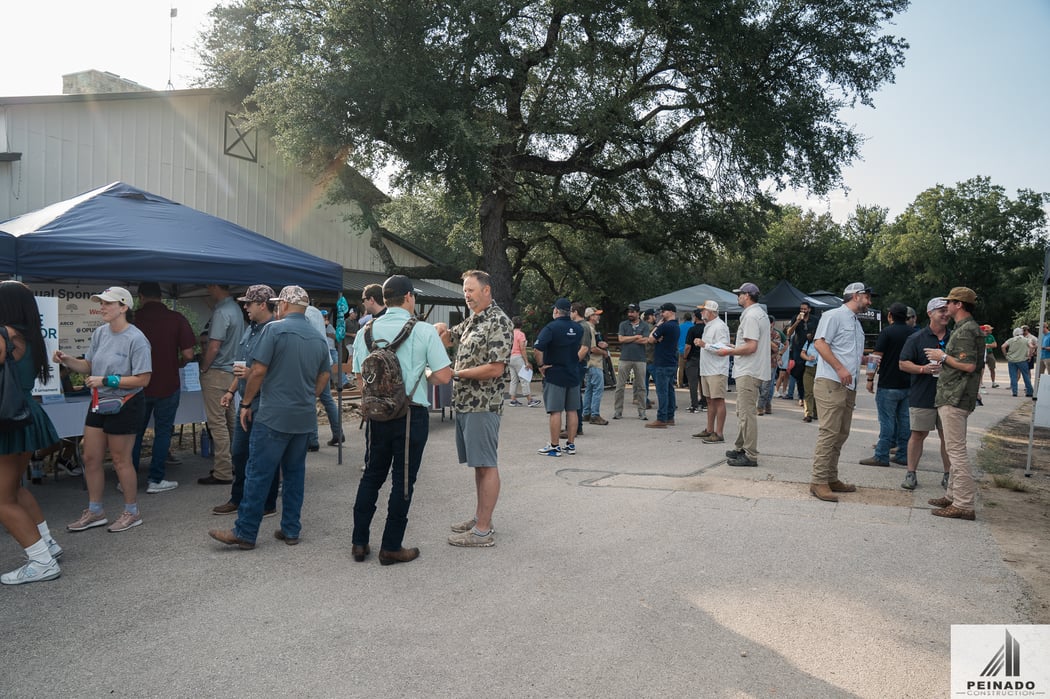
Most importantly, the event supported CREDA Central Texas’ ongoing public policy and advocacy efforts focused on responsible development, infrastructure investment, and policies that strengthen the commercial real estate industry throughout Central Texas.
Relive the DayFrom the teams on the course to our sponsors and volunteers who helped make the event possible, there were plenty of memorable moments throughout the day. |
|
Thank You to Our SponsorsAn event like this would not be possible without the generous support of our sponsors. Thank you to every company that invested in CREDA Central Texas and helped make our inaugural Sporting Clay Tournament a success. |
| Thank you as well to our event committee, volunteers, participants, and everyone who joined us at Reunion Ranch. Your involvement made the first year of this event one to remember.
We look forward to seeing everyone back on the course next year!
|
|
|
PUBLIC POLICY ENGAGEMENTYour Voice. Our Impact. |
Before we get to this quarter’s policy headlines: thank you! Your engagement is what gives our advocacy its weight. Here’s how to plug in:
|
|
|
LEGISLATIVE & POLICY UPDATESWhat We’re Watching: Local, State & Federal |
Local UpdatesContinued County & Municipal Development Code Reviews Across Central Texas CREDA Central Texas Public Policy Committee continues its engagement with Travis County and several Central Texas municipalities as they update their development codes. Our goal is simple: ensure the commercial real estate community has a strong, informed voice in shaping regulations that impact project feasibility, timelines, and regional growth. Here are the latest updates:
We will keep you updated as we make further progress in our reviews. Thank you to our volunteers for their continued engagement in this important work. If you are interested in joining the effort on these reviews, please reach out to info@credactx.org. |
State UpdatesAdvocacy in Action: Interim Hearing Update Housing. House Bill 21, passed in 2025, changes affordability requirements for housing finance corporations. The law has prompted significant litigation. House State Affairs Chair Gary Gates is considering legislation that would extend similar requirements to public housing authorities. Environmental permitting. The House Environmental Regulation Committee held an interim hearing to examine delays in TCEQ permitting, including wastewater permits. Lawmakers discussed staffing, expedited reviews, and earlier meetings with applicants as possible ways to make timelines more predictable. Property taxes. The House Ways and Means Committee considered further school tax relief and changes to property appraisals. For commercial real estate, the key distinction is whether relief comes through homestead exemptions, which benefit homeowners, or school tax rate compression, which also benefits commercial property. CREDA is monitoring these proposals, and others impacting our industry as state lawmakers prepare bills for 2027. All eyes are on the upcoming November election, and prefiling for legislation begins on November 9th. The 90th Texas Legislature begins on January 12, 2027. Navigating the New Renewable Energy Mandates in Central Texas A major shift in building energy standards is making renewable electricity generation systems mandatory rather than optional for new commercial projects in parts of Central Texas. Under the 2024 International Energy Conservation Code (IECC), newly constructed commercial buildings must include an on-site renewable electricity generation system scaled to the property’s footprint, with narrow exceptions reserved for small footprints under 5,000 square feet or heavily shaded roofs. Because Texas maintains the 2015 IECC as its statewide baseline, implementation of the 2024 IECC is strictly city-by-city: Austin, Round Rock, Hutto, and Buda have adopted the 2024 code and require active renewable electricity generation systems, while neighboring markets like Georgetown, Cedar Park, Leander, Pflugerville, Kyle, San Marcos, and San Antonio remain on older standards. Development teams should verify local requirements with their architects and engineers during early schematic design—preventing an unexpected solar mandate from causing expensive redesigns and delays during permit review. Other Issue Tracking The committee continues to stay involved in conversations around SB-17, data centers, de-annexation laws, fire and life safety jurisdiction regulations, and economic development bills. If you have a project that is directly impacted by any of the above, we want your voice heard. Please reach out to Andrew Alizzi so we can put the committee and our lobbyist to work to help support your challenges and keep growth moving in Central Texas. |
Federal Updates21st Century ROAD to Housing Act The 21st Century ROAD to Housing Act (H.R. 6644), enacted on July 11, 2026, is a sweeping bipartisan legislative package aimed at tackling the national housing shortage by accelerating development and removing local regulatory barriers. For real estate professionals, the most immediate impacts come from the law’s supply-side incentives, which streamline NEPA environmental reviews for housing projects and provide competitive federal grants to municipalities that proactively modernize their zoning frameworks. The Act also prohibits large institutional investors — entities with investment control of 350 or more single-family homes —from purchasing single-family homes (excluding manufactured homes) unless a purchase qualifies for a statutory exception (e.g., qualifying “build-to-rent” or “renovate-to-rent” communities). |